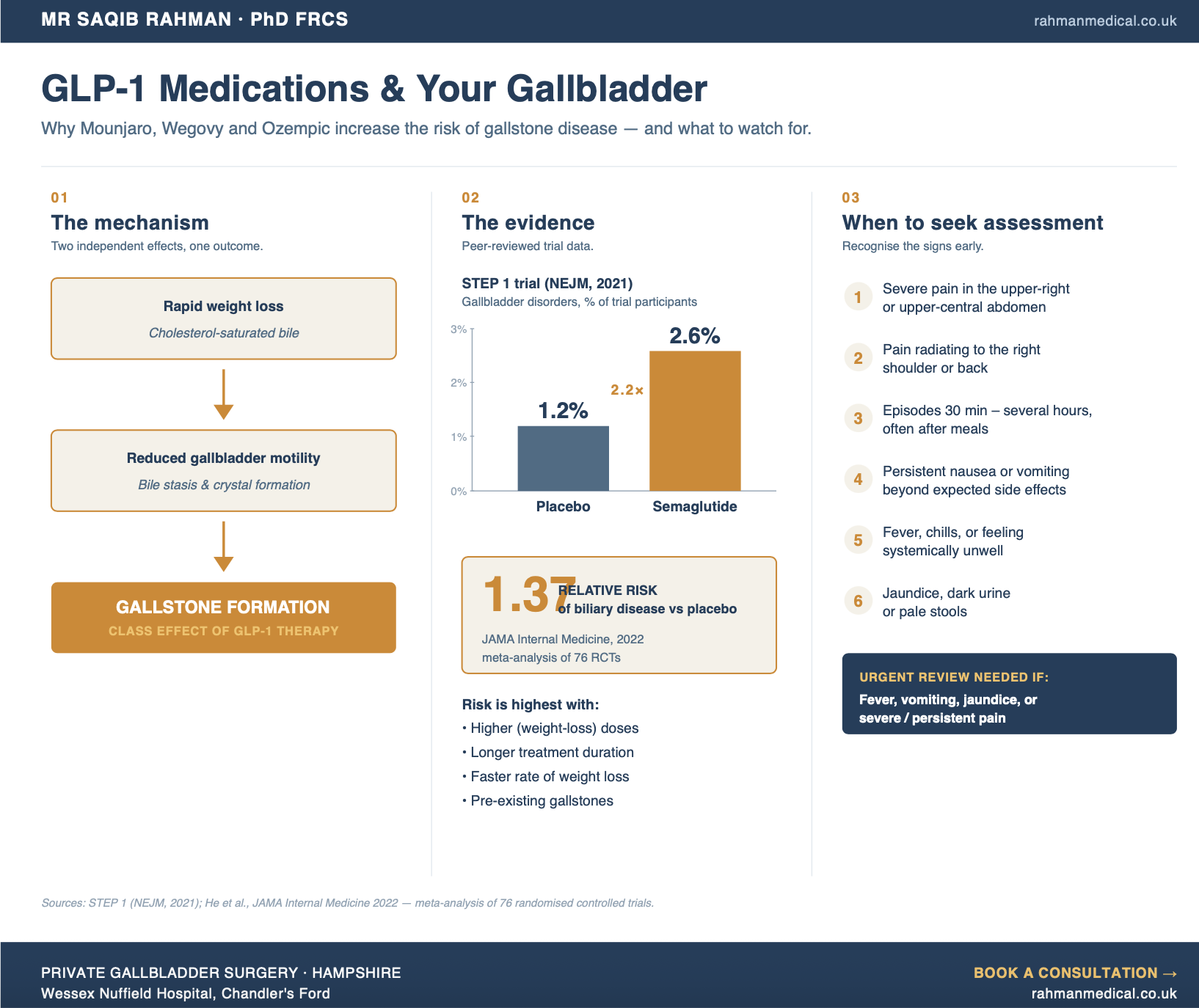
Key facts about GLP-1-related gastroparesis: How it happens: GLP-1 drugs slow gastric emptying as part of their mechanism, but this effect becomes excessive in some people Whos at risk: Those with pre-existing digestive disorders, prior gastric surgery, long-standing diabetes, or elderly patients face higher risk Timeline: Symptoms can appear at any point during treatment, especially during dose increases Reversibility: Most cases improve after dose reduction or medication discontinuation, with recovery taking days to several months Management options: Dietary changes (smaller, low-fat meals), slower dose escalation, supportive medications, or temporary drug cessation Seek immediate medical attention for severe vomiting, dehydration signs, intense abdominal pain, or blood in vomit or stool
Preporuujemo ga svakom ko eli zdravu, ujednaenu i blistavu kou
This study highlights the angiogenic role of CCL28 and suggests that recombinant CCL28 protein may be a potential therapeutic option to attenuate IHD
Scientists have known for some time that GLP-1 seems to have a secondary function as a satiety signala ping to the brain to stop eating